History
History
Subject Leader: Hannah Horsford
At Charing Church of England Primary School, the study of History is a vital part of our inclusive curriculum, reflecting our commitment to nurturing curious, passionate, and resilient lifelong learners. Rooted in our Christian values, the History curriculum enables pupils to explore the past thoughtfully and critically, helping them to understand their place in the world and develop a strong sense of identity and community. By engaging with historical events and perspectives, pupils learn to listen, forgive, and respect diverse viewpoints, embodying the school’s ethos inspired by Jesus to walk alongside each individual with understanding and care.
Our key aims in teaching History are to provide a carefully sequenced and coherent curriculum that builds secure subject knowledge and historical skills progressively across Key Stages 1 and 2. We strive to develop pupils’ ability to think critically about the past, anticipate common misconceptions, and draw connections between historical concepts and their wider curriculum learning. We aim for all pupils, including those with additional needs, disadvantaged backgrounds, and English as an additional language, to master essential historical vocabulary and concepts, supporting our whole-school priority to embed subject-specific language and strengthen long-term memory.
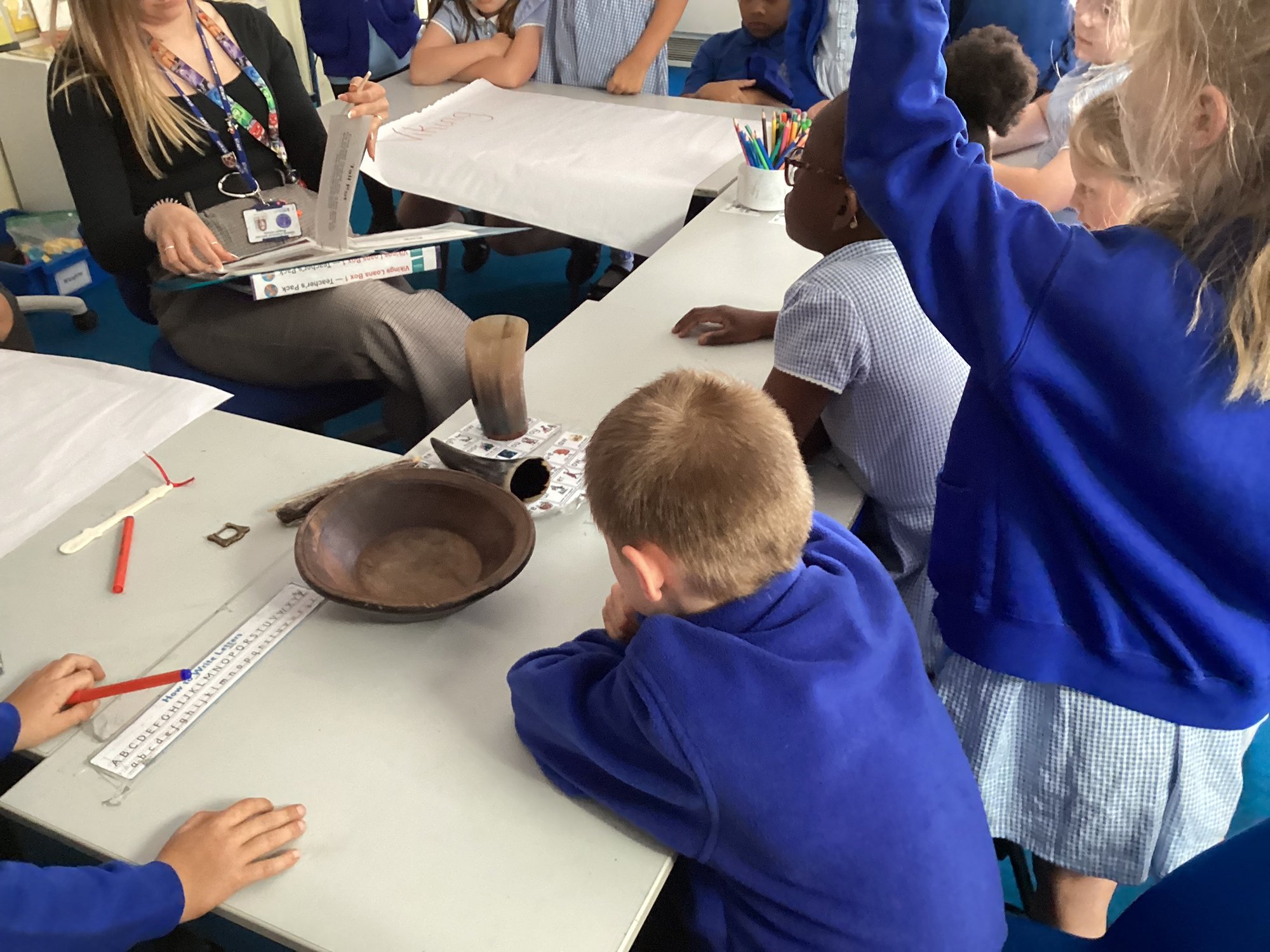
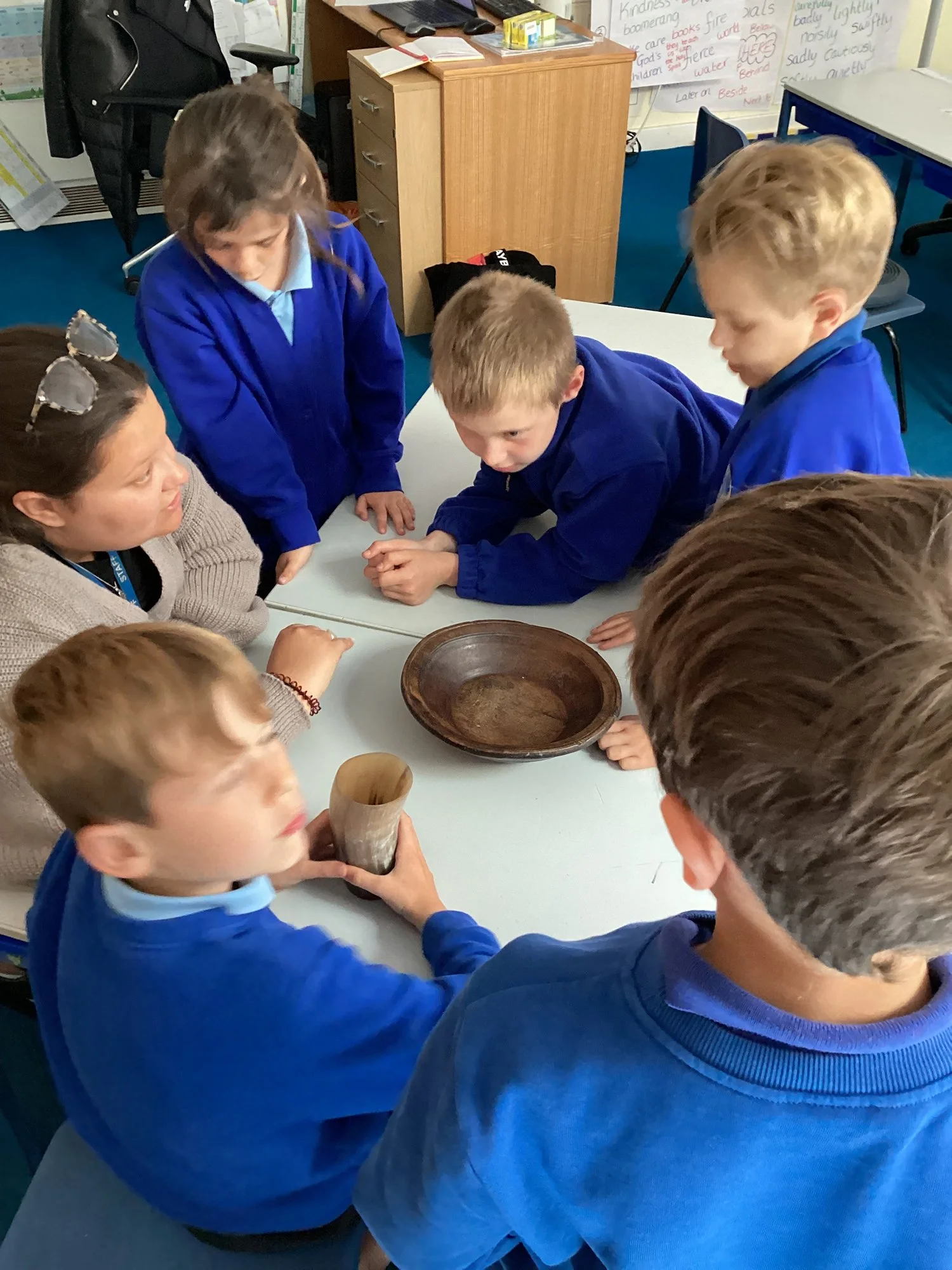
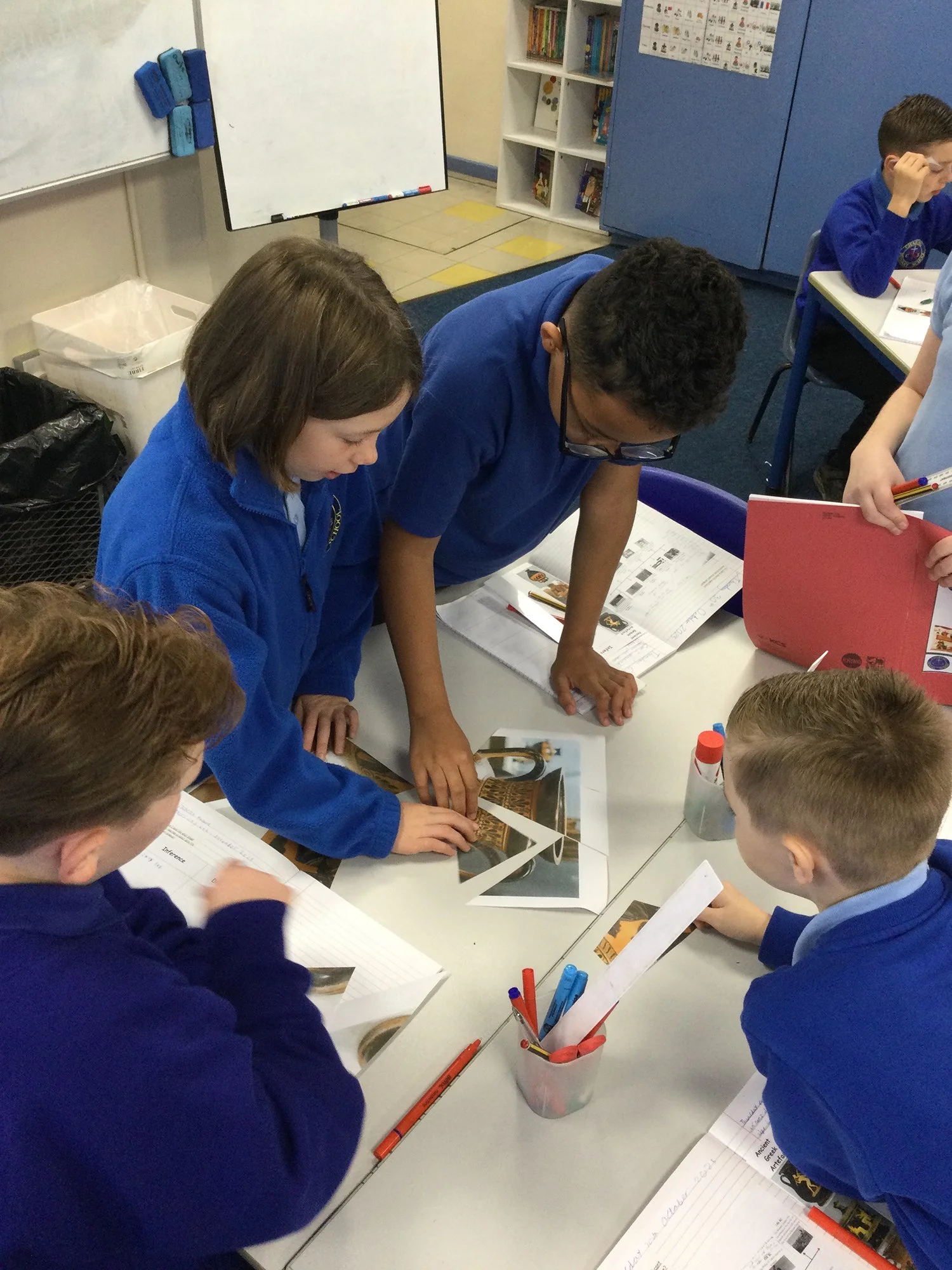
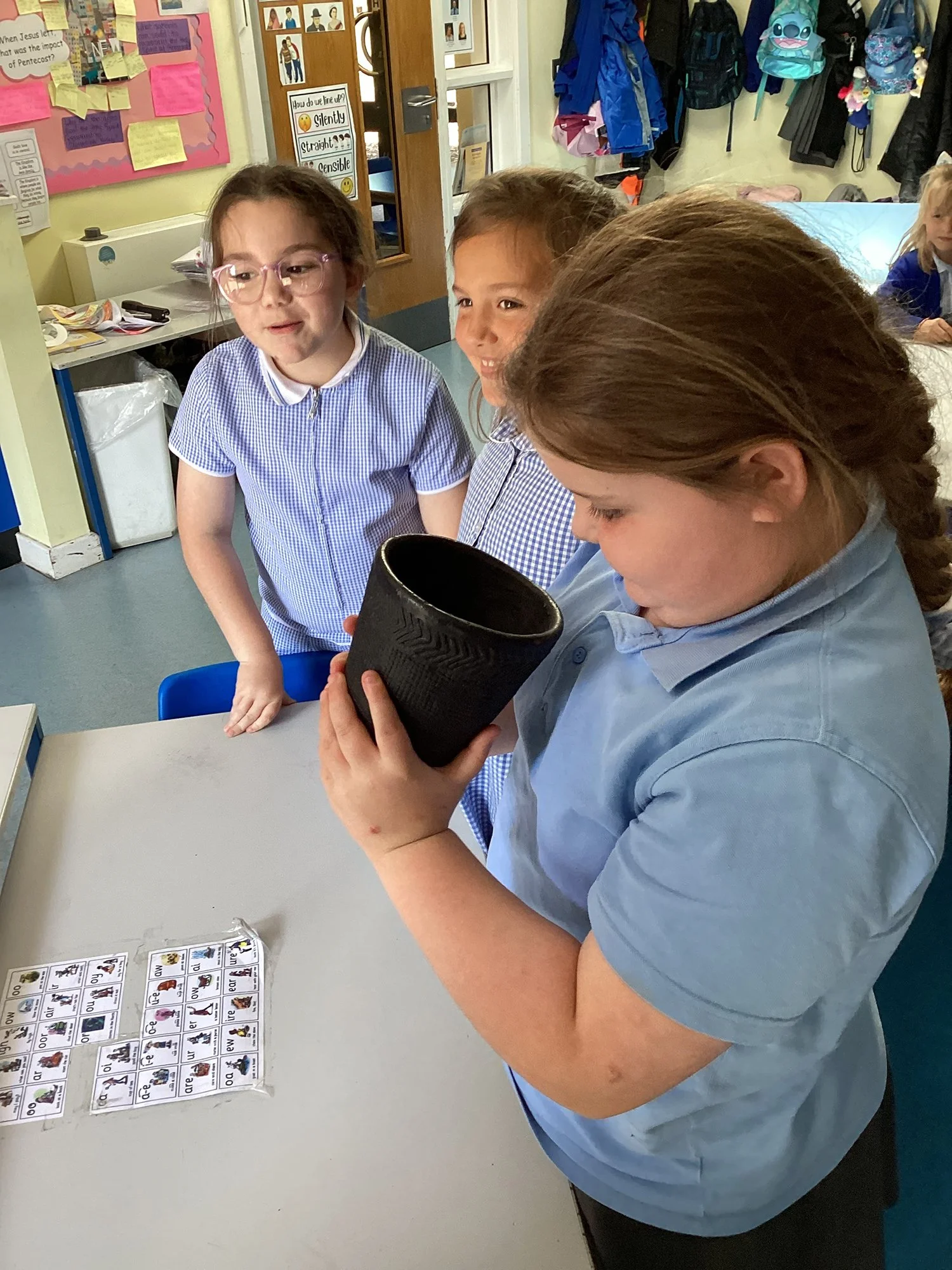
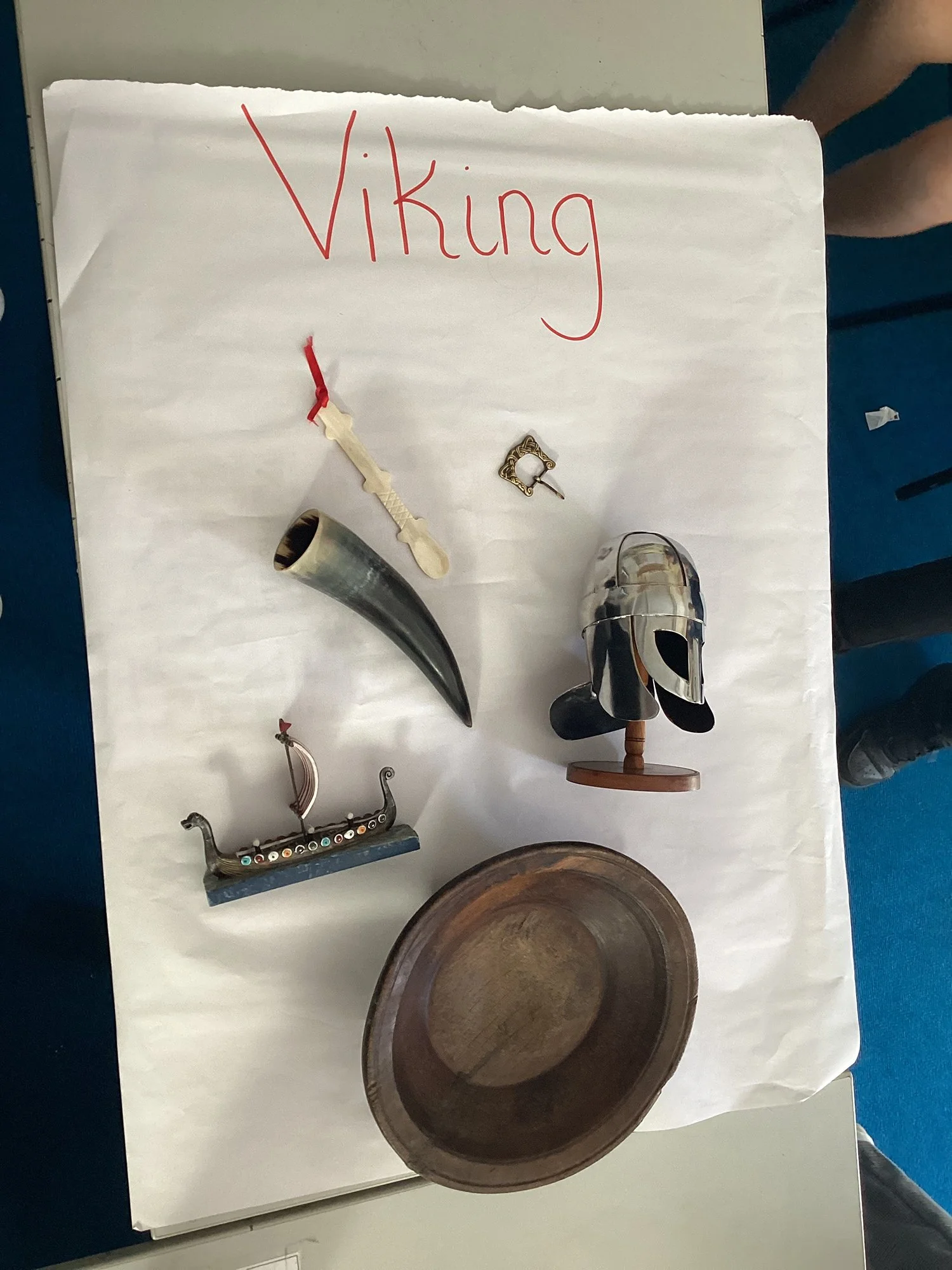
Charing pupils investigating historical artefacts